SEMI CITY / RESEARCH ARCHIVE 01
Zigong
City Portrait
Reconsidering how a city becomes itself through landscape, cultural life and urban memory.
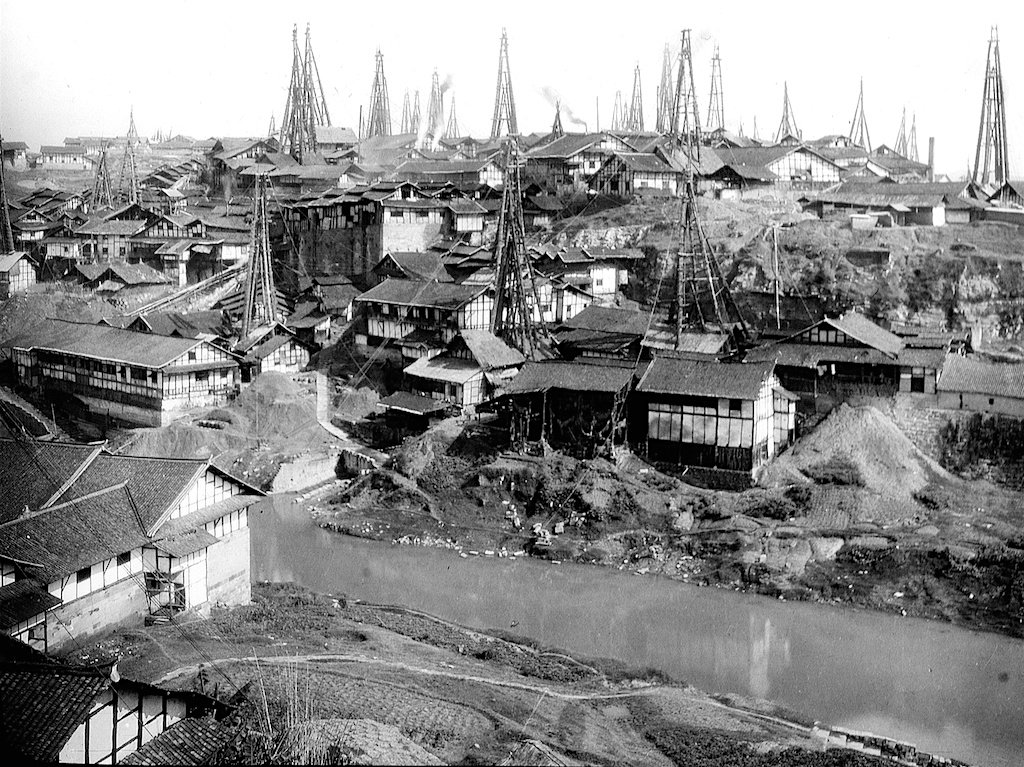
A “city portrait” is not a single promotional image. It is the set of conditions, histories and lived accumulations through which a city can be sensed, understood and recognised.
AT A GLANCE
What this research examines
Beginning with urban renewal, the research takes stock of the landscape, culture and everyday resources that remain in an old industrial city.
It first reads the city’s overview, symbols and civic memory; then identifies structures in landscape, culture and history; finally it proposes directions for further discussion.
Landscape forms the skeleton of a city portrait. History and everyday life are its core. Together they make a city irreducible to another.
RESEARCH FRAMEWORK
Four ways into Zigong
- 01Landscape
Mountains, the Fuxi River, reservoirs and green space form the city’s spatial structure. “Half green mountains, half city blocks” is a way to understand the city through this relationship.
- 02Taste
Salt production shaped not only industrial history, but also food, wharves, streets and daily life. Urban character can reside in ways of life that can be tasted and told.
- 03Living
Salt-field spectacle, dinosaurs and lanterns are experiences accumulated across different periods. They need to be read again in relation to urban space and public life.
- 04Performance
Folk arts, customs, temple fairs and salt-field trades preserve traces of how local society organised life. They remain cultural threads that can return to the field.
The research treats the formulation “A distillation of Sichuan, a city of flavour; salt, dinosaurs and lanterns, with a hundred performances” as a provisional proposition to be tested, expanded and retold—not a final conclusion.
RELATED MATERIALS
Continue into the archive
Chinese essayWhy Did Zigong Fall Behind?Event archive盐都夜谈 No.001Source | A Study of Zigong’s City Portrait from an Urban Renewal Perspective. A collaborative research project. The archive will continue to add historical maps, photographs, place names, oral memories, talks and related projects.